.jpg)
Building a custom home in Kelowna is the process of designing and constructing a residential property from the ground up, to the specific requirements of the owner, rather than purchasing a pre-built or spec home. ARG Contracting is a Gold Seal Certified general contractor based in Kelowna, BC, serving the Okanagan from Penticton to Vernon, with experience across custom residential builds, renovations, and commercial construction.
This post covers what the custom home building process looks like in practice, from the early planning stages through to keys in hand, and what to think about before you start.
What the custom home building process looks like in Kelowna
The custom home building process has several distinct phases, and understanding what happens at each stage makes the whole experience a lot less stressful, because the biggest source of frustration on most builds isn’t the construction itself, it’s going in without a clear picture of how decisions get made and when.
Here’s a plain-language overview of how a custom build typically unfolds:
| Phase | What happens |
|---|---|
| Consultation and site assessment | Discuss goals, budget, lot conditions, and timeline before any design work starts |
| Design and planning | Work with an architect or designer to develop plans; structural and engineering review |
| Permits | Submit plans to the City of Kelowna or regional district for building permit approval |
| Site prep and foundation | Excavation, foundation pour, underground rough-ins |
| Framing | Structure goes up; rough framing inspection required before next phase |
| Mechanical rough-ins | Electrical, plumbing, and HVAC installed before walls close |
| Insulation and drywall | Envelope is completed; another inspection stage |
| Finishing | Flooring, cabinetry, trim, fixtures, paint |
| Final inspections and occupancy | Building inspector signs off; occupancy permit issued |
The timeline from permit approval to move-in on a typical custom home in Kelowna runs roughly 10 to 14 months, though this varies depending on size, complexity, and how quickly decisions get made during the design phase. Delays in selecting finishes or making design changes mid-build are the most common reasons projects run longer than planned.
Custom home design, what clients usually decide
The design phase is where a lot of the real work happens, and it’s also where a lot of first-time custom home builders underestimate how many decisions are involved, because it’s not just floor plan and exterior style, it’s also structural choices, mechanical system decisions, and material selections that all interact with each other and with the budget.
A few things that come up on almost every custom home build in Kelowna:
Layout and flow. How the rooms connect matters as much as the size of the rooms. Main floor layout, where the primary bedroom sits relative to secondary bedrooms, how the kitchen connects to outdoor living space; these are things that are essentially permanent once construction starts, so they deserve careful thought upfront.
Structural choices. Ceiling heights, beam placement, window sizing, the decision to have a basement or a slab; these are set at the permit and framing stage and changing them after is expensive. Bigger windows mean more natural light but also more heat loss in winter and heat gain in summer, so there’s an envelope efficiency tradeoff worth understanding before you commit.
Mechanical systems. Heating and cooling choices, in-floor radiant versus forced air versus heat pump, affect both upfront cost and long-term operating cost. Getting a mechanical engineer or experienced contractor involved during design rather than after the fact saves money and avoids retrofitting later.
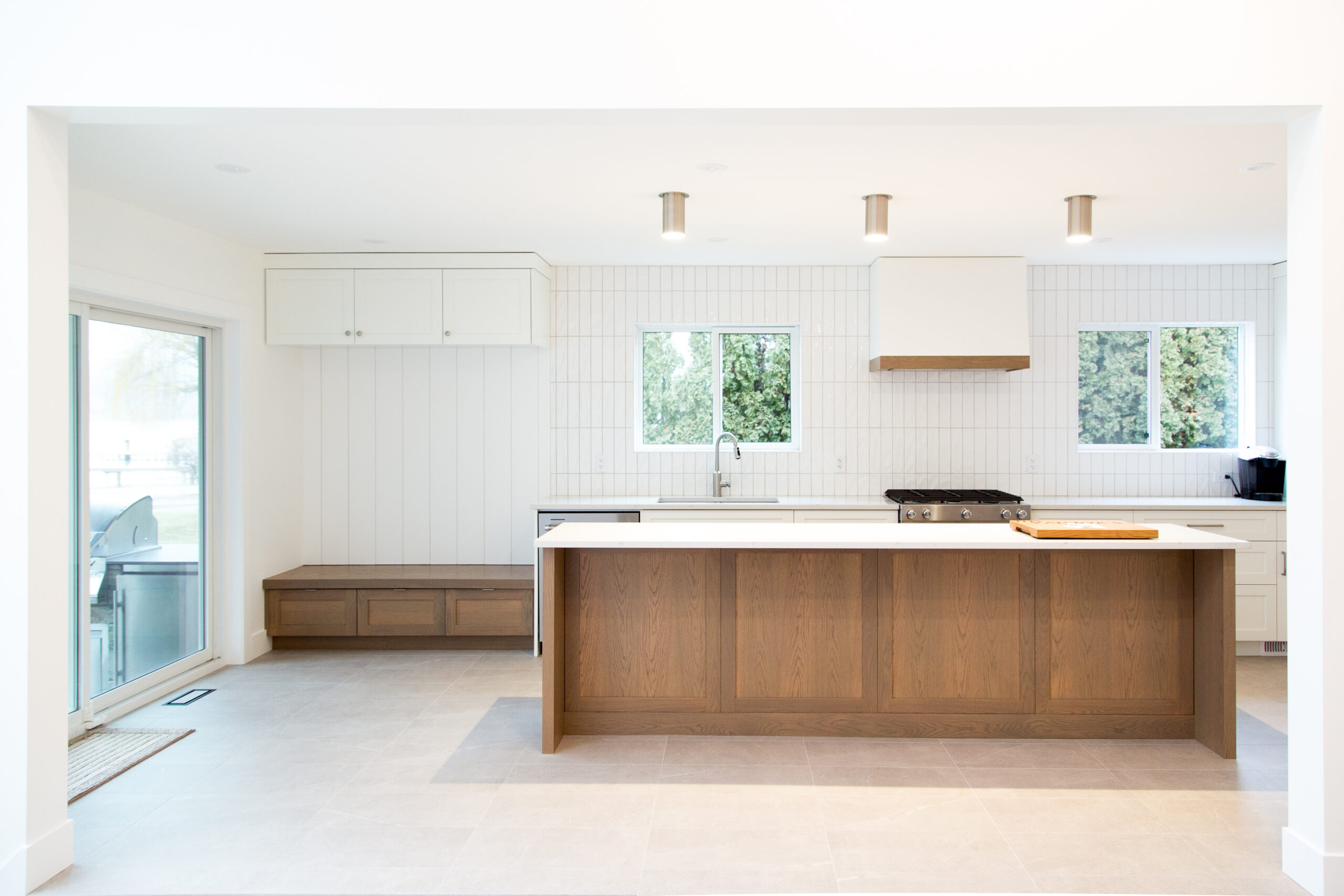
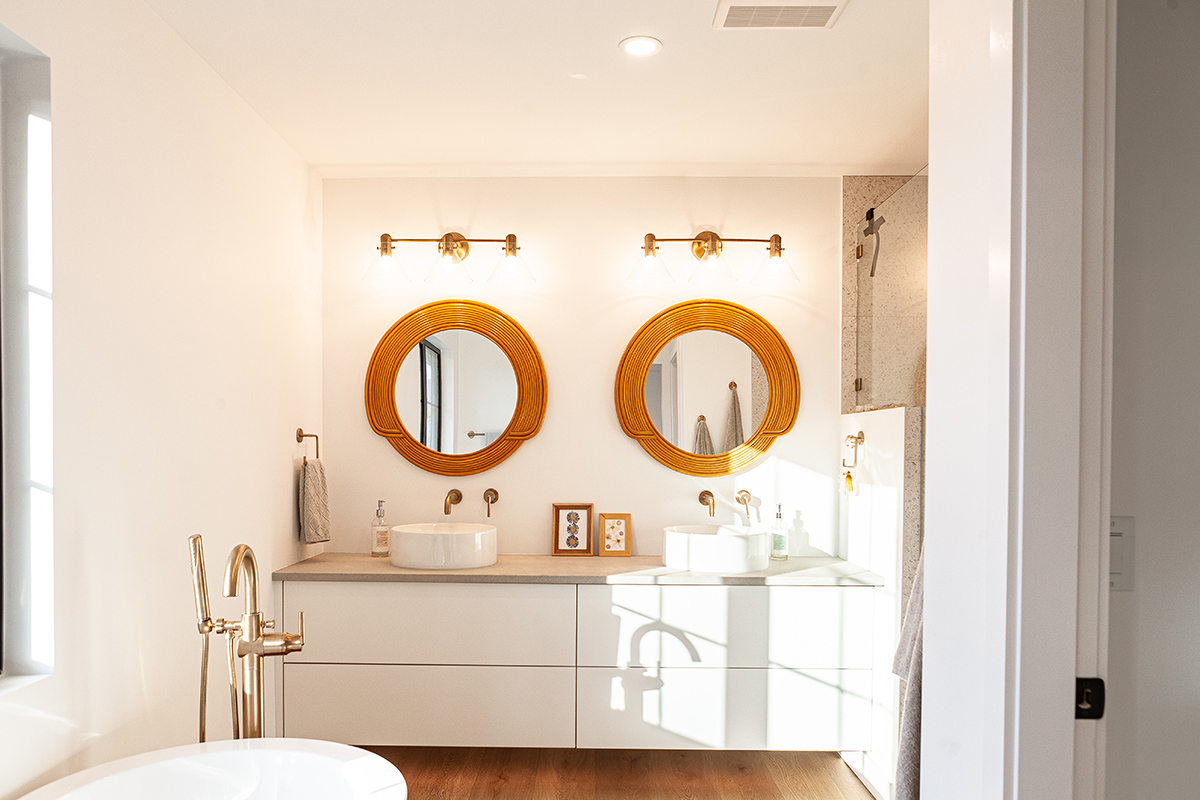
Finishes. This is the phase most people think they can push decisions for, at first, but it’s worth knowing that finishes account for a significant portion of the budget and are the most common place where costs creep up if selections aren’t managed against a budget from the start.
What makes a custom home builder worth working with in the Okanagan
The practical difference between a good custom home builder and an average one isn’t usually visible in photos of finished projects; it shows up in how the build is managed day-to-day and how problems get handled when they come up, because problems always come up.
Things worth asking any builder before you commit:
- Who is the actual site supervisor, and how often are they on site?
- How do you communicate with clients during the build, and how are change orders handled?
- What does your warranty cover and for how long?
- Can you provide references from clients whose builds are at least a year complete?
ARG Contracting is Gold Seal Certified through the Canadian Construction Association, holds a BC Housing licence, is a CHBA member, and carries 2-5-10 Home Warranty on new builds. Those aren’t just logos; they’re accountability structures that matter if something needs to be made right after you move in.
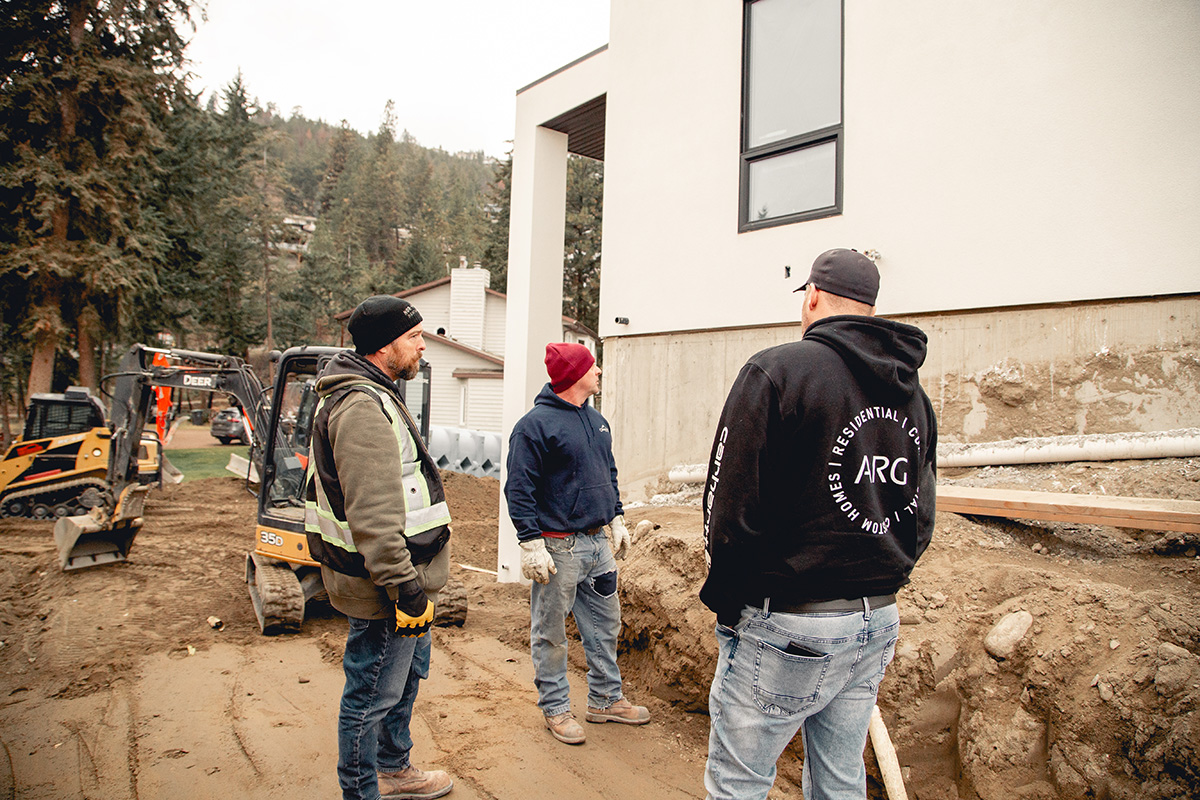
The thing clients consistently mention in ARG’s reviews is communication and follow-through, the build running on schedule, the site staying clean, trades being held accountable, and issues getting fixed without having to fight for it. That’s the baseline you should expect from any contractor you hire for a project this size.
Building on a Kelowna lot
Lot conditions have a bigger effect on budget and timeline than most people expect when they’re planning a custom build, and a site visit before finalizing any numbers is important for that reason.
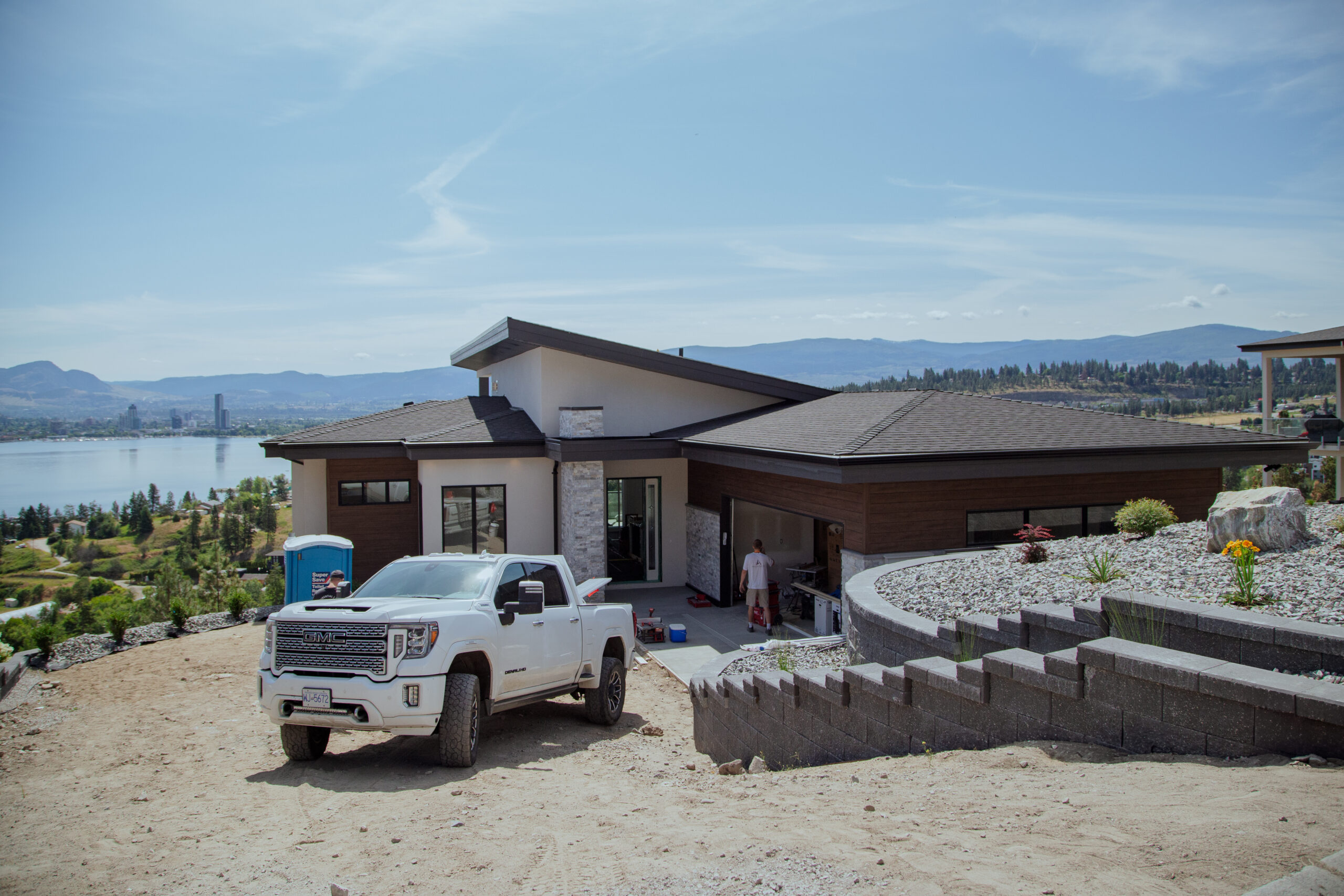
Things that affect cost at the site level: slope and soil conditions (excavation on a sloped lot costs more and takes longer), distance from municipal services (water, sewer, gas hookups), existing trees or structures that need to be removed, and geotechnical requirements if the lot has any soil stability concerns, which is more common in parts of the Okanagan than people realize.
Kelowna’s permit process has also gotten more involved over the past few years as the city manages growth, so building in a timeline buffer for permit approval, typically 8 to 12 weeks for a standard residential permit, is worth factoring into your planning from the start.
Home remodelling versus building new
Some clients come to us having already decided they want to build new, and some are weighing a major renovation against starting fresh, and the right answer depends on a few factors that aren’t always obvious.
Building new makes more sense when: the existing home’s layout or structure can’t deliver what you’re looking for, even with significant renovation, the lot is large enough to accommodate the home you want, or the cost of bringing an older home up to current energy and code standards rivals the cost of building new.
A major home renovation makes more sense when: the existing structure is sound, the location has value (established neighbourhood, mature landscaping, proximity to amenities), and the scope of change is achievable within the existing footprint. Live-in renovations in Kelowna are also something we handle regularly for clients who can’t or don’t want to vacate during construction.
The conversation about this happens at the consultation stage, and it’s worth having before you’ve committed to either path.
Frequently asked questions
How long does it take to build a custom home in Kelowna? From permit approval to occupancy, most custom home builds in Kelowna run 10 to 14 months, though larger or more complex projects can take longer. The design and permit phase before construction starts typically adds another 3 to 6 months to the overall timeline, so planning 18 months from first consultation to move-in is a reasonable working assumption for most projects.
What permits are required to build a custom home in Kelowna? At minimum, a building permit from the City of Kelowna or the relevant regional district is required, along with plumbing, electrical, and gas permits handled through the applicable provincial trades authorities. If the lot is in a development permit area, a development permit may also be required before the building permit can be issued. Your contractor should be managing this process and keeping you informed at each stage.
Can ARG Contracting help with both the design and the build? ARG’s core role is as a general contractor, but we work closely with architects and designers and can recommend people we’ve built good working relationships with. We get involved in the design conversation early so that plans are buildable and the budget is realistic before anything goes to permit. If you’re starting from scratch and want to talk through the process, get in touch here.