Kitchen countertops in Kelowna: marble, quartz, granite, and how to pick the right one
Countertops are one of those things where the decision feels bigger than it should, partly because there are so many options, and partly because once it’s installed, it’s there for a long time. We’ve had plenty of conversations with Kelowna homeowners who walked into a kitchen renovation knowing they wanted something nice but not totally sure what that meant in practice, marble versus quartz, natural stone versus engineered, maintenance-heavy versus low-effort.
This post breaks down the main materials we work with on Kelowna kitchen renovations, what they’re good at, where they fall short, and what to think about before you decide.
Marble countertops: gorgeous and here’s what to expect
Marble is the one people picture when they think “high-end kitchen.” The veining is distinctive, every slab looks a little different, and there’s nothing quite like it from a visual standpoint. If you want a kitchen that photographs well and feels genuinely luxurious when you’re in it, marble delivers that.
The tradeoff is maintenance, and it’s worth being straight about it. Marble is porous, which means it can stain if spills sit on it, and it’s sensitive to acidic things like lemon juice, vinegar, and wine. It can also scratch. None of this means marble is a bad choice; it just means you need to seal it regularly, wipe up spills when they happen, and be okay with the fact that it’ll develop some character over time. Some people love that, some people don’t. If you’re someone who wants a countertop that looks exactly the same in fifteen years as it did on install day, marble probably isn’t your material.
For kitchens that don’t see a ton of heavy cooking but need to look great, or for people who are genuinely willing to put in the upkeep, it’s a wonderful choice.
Quartz countertops: the practical high-end option
Quartz is engineered, which some people initially see as a negative until they understand what that means for day-to-day use. Because it’s manufactured rather than quarried as a slab, it’s non-porous, which means it doesn’t need sealing and it doesn’t absorb stains the way natural stone does. It’s also harder to scratch and holds up well to regular kitchen activity.
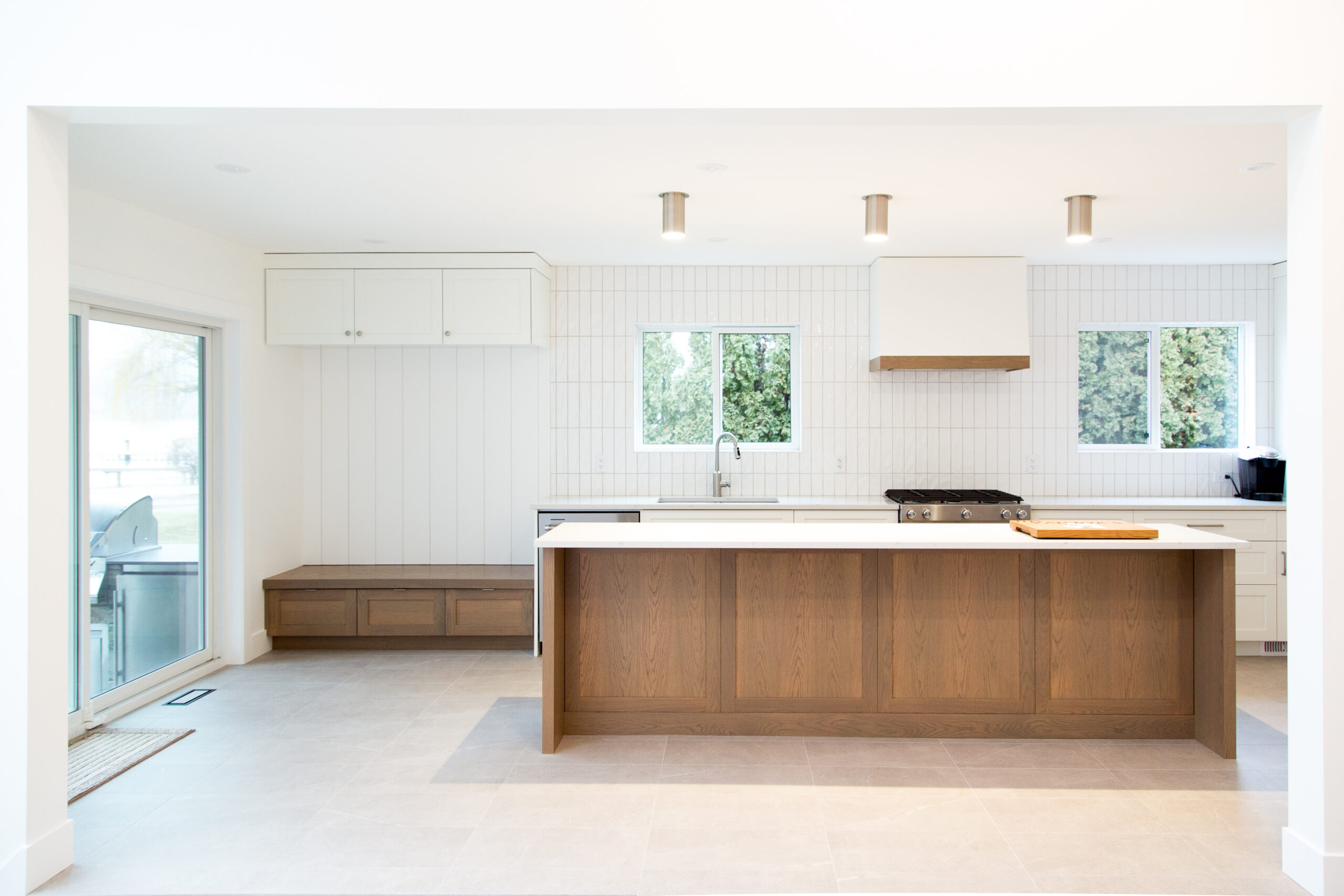
From a look standpoint, quartz has come a long way. There are options that genuinely look close to marble, and a wide range of colours and patterns beyond that, so you’re not giving up much aesthetically to get the lower-maintenance profile. It’s consistently one of the most popular choices we see on kitchen renovations in Kelowna, and for good reason: it performs well, it looks good, and it doesn’t require much from you after installation.
The one thing quartz doesn’t love is high heat directly on the surface, so using trivets or hot pads is a good habit. Other than that, it’s a pretty forgiving material.
Granite countertops: no two slabs alike
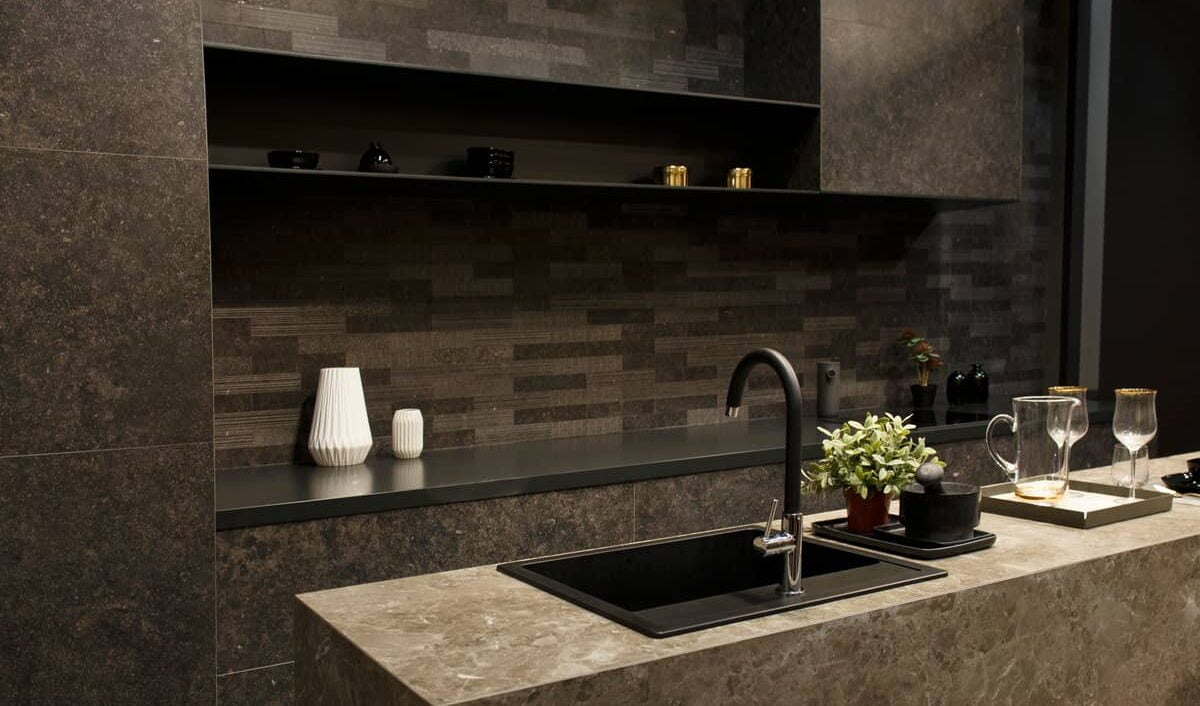
Granite sits somewhere between marble and quartz in terms of maintenance. It’s a natural stone, so it does need to be sealed periodically, but it’s harder than marble and more resistant to scratching and heat. A lot of people choose granite because they want the character of a natural stone without the sensitivity of marble.
The thing that sets granite apart is that every slab is one of a kind. The patterns and colouring come from the geological process that formed the stone, so there’s a range from subtle and understated to dramatic and striking. If you’re someone who wants a countertop with some real visual presence, granite can do that in a way that engineered materials don’t quite replicate.
It works especially well in kitchens where there’s a lot of cooking happening, since it handles heat better than most materials and stands up to daily use without much fuss beyond regular sealing.
Other materials worth knowing about
Beyond the big three, there are some less common options that come up from time to time, and they’re worth at least being aware of.
Soapstone is a softer natural stone with a distinctive dark, matte look. It’s naturally non-porous, which is unusual for a stone, and it develops a patina over time that a lot of people find appealing. It does scratch more easily than granite, but the scratches can often be sanded out, which is a nice option to have.
Butcher block is wood, and it brings warmth to a kitchen that stone materials don’t. It needs oiling to stay in good shape and it can be damaged by standing water, but it’s also repairable in a way that stone isn’t. It works particularly well as an island surface alongside a stone perimeter, rather than throughout the whole kitchen.
These aren’t for everyone, but if the standard options feel like they don’t quite fit what you’re going for, it’s worth a conversation.
How to care for marble countertops specifically
Since marble comes up most often with questions about upkeep, here’s a practical rundown. Use a pH-neutral cleaner, nothing with citrus or vinegar, and wipe up spills as they happen rather than letting them sit. Seal the surface every six to twelve months depending on use, and use coasters under glasses and trivets under anything hot. Beyond that, it mostly takes care of itself. The patina that develops over time is part of what makes old marble kitchens look the way they do, which is part of the appeal if you’re going in with the right expectations.
Picking what’s right for your kitchen
The honest answer is that the best countertop material depends on how you cook, how much maintenance you’re willing to do, and what the rest of your kitchen looks like. There’s no single right answer, and anyone who tells you there is probably isn’t asking the right questions.
If you’re planning a kitchen renovation and want to talk through the options for your specific space, we’re happy to walk through it. You can see some of what we’ve done on our kitchen renovations page, reach out through our contact form, or call us at 778-933-8818.