Losing a home in a wildfire happens in a matter of hours. Rebuilding it takes years, and most of that time is spent dealing with insurance paperwork, temporary housing, and decisions nobody wants to make while they are still grieving what they lost. Working with an experienced insurance rebuild contractor from the start can make that process a lot less overwhelming.
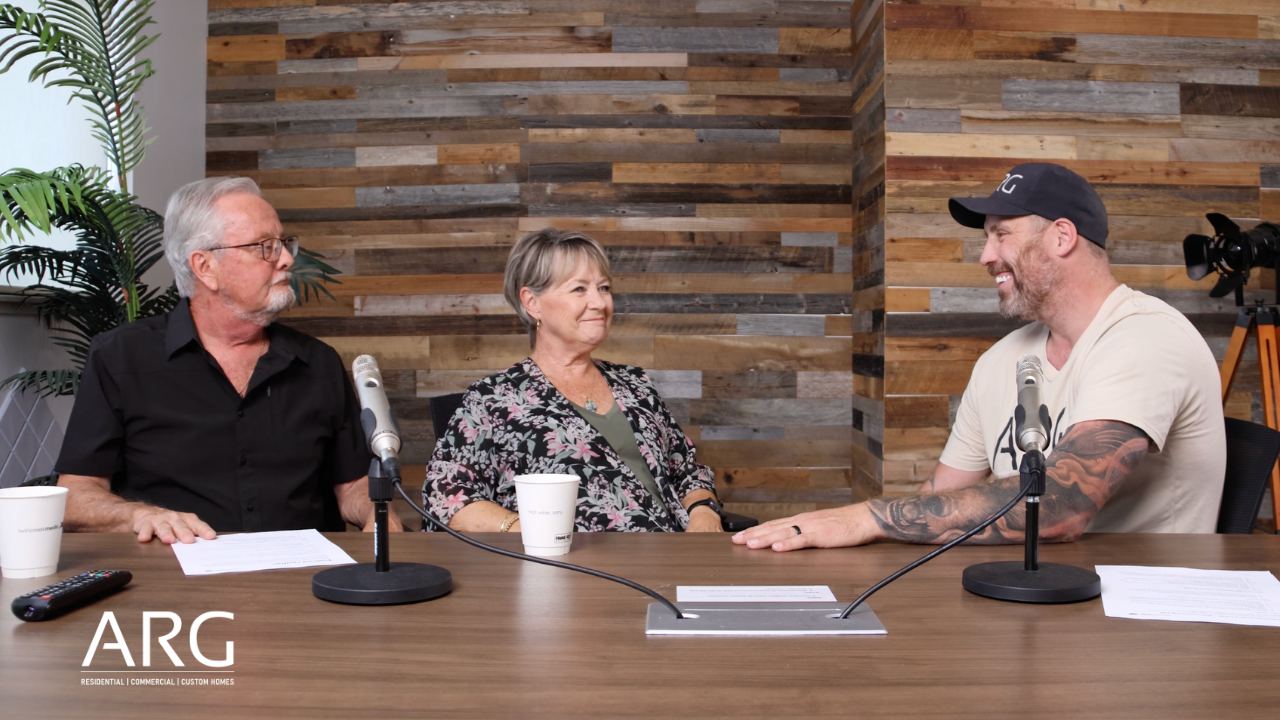
In this conversation, Adam, Founder and Operations Management President at ARG Contracting, sits down with Don and Gail Jones, former clients whose Royal Heights home was destroyed in the 2023 West Kelowna wildfire. They share what that experience was like, from watching the fire take their neighbourhood to the day they finally walked back through their own front door.
Life on Royal Heights Before the Fire
Adam: Can you tell me a bit about your home and your family before the fire?
Gail: When we bought that home, it was our forever home. We thought we would be there until we were ready to retire. The last few years, it was home for our two youngest kids, too, though not for long, since they left the nest not long after.
Don: We had a lot of visitors, the typical Okanagan thing. We’re originally from Alberta, so family came out every summer, and the neighbourhood was great. We got to know our neighbours well.
Watching the Fire Take Their Home
Adam: That day the fire started, you weren’t evacuated right away. Walk me through what happened.
Gail: It started pretty fast. We knew there was a fire, and we knew it was coming, and the wind was bad. I was in a bit of denial. I thought, no, we’re fine. Luckily, our son was visiting for the weekend, and we didn’t have much time.
Don: He started packing up a few things for us, boxes he brought upstairs just in case. We went up the driveway and looked up, and we could see the smoke coming and the red in the sky.
Gail: One of our neighbours drove up, not even realizing what was going on and asked what we were doing. A few minutes later, another neighbour called and told us to get out, because she had been driving down Bear Creek Road looking at the lake, and it was just red.
Don: So we said, okay, we have got to get out of here.
Gail: And we left. We went to our son’s place and spent the night there. The next day, the three of us went into town to see what was happening, but the smoke and wind were so bad we could not see anything from across the lake. We went over to the yacht club area, then to a shopping centre close by, and watched with binoculars. Our son watched our house go up. I still did not believe it. I kept thinking, that is not my house. But it was our home, and we lost everything.
Adam: I know this is a tough one, but can you tell me about the first time you went back?
Gail: We went up in a bus. It was like going to thirteen funerals, because that is how many homes were lost. We were not allowed to get off, just to look. I almost did not go because I did not know if I could handle it, but I had to face it.
Don: It felt like being in a movie, slowly going down the street looking out this small window, seeing everyone’s destruction, and then ours coming up.
Gail: Everybody on that bus was feeling the same thing. It was emotional, but it was real. It made it real.
Don: It was fortunate that they had people there to help. The fire chief was there talking with us beforehand, and a counsellor too.
Filing the Claim and a Rough Start With Their Adjuster
Adam: Once you knew the house was gone, what happened on the insurance side?
Don: We contacted insurance right away. The first thing they do is send a cover letter saying you have been advised, you have two years to settle your claim. It is a form letter. They said someone would be in touch to start processing it, but it took a while. In the meantime, we had to register for the government and local assistance that is available to everyone, and find somewhere to stay.
Adam: You were insured at the time. How did that first meeting with your adjuster go?
Gail: The first time we had boots on the ground, our adjuster looked at what was left and said this was way worse than she expected, and that we might not be able to replace everything. That if we had oak floors, we might have to switch to laminate, or go from oak cabinets to particle board. I could not believe what I was hearing. I was standing there crying my eyes out, looking at nothing, because that is basically what was left, and she kept talking that way. It started things off on a bad note.
Adam: That is rough. Poor bedside manner, to put it mildly.
Gail: It was cold. She saw me standing there in tears and kept speaking that way, and I turned around and left. I could not stand it.
A Costly Lesson on Coverage Gaps
Adam: What surprised you most, once you dug into the policy itself?
Don: We found that our policy had valued our home differently than some of our neighbours’ policies. Ours was based on one floor of the house rather than the total square footage, and a lot of the other coverage, like landscaping and away-from-home expenses, was based on that lower figure. Our premium was about the same as our neighbours’, but they had set their coverage at a million dollars for a smaller house, and ours was set at eight hundred thousand. Same premium, but everything else works out to roughly ten percent lower coverage across the board.
Don: Fortunately, we had questioned that the year before, when we renewed, and were told we had replacement value regardless, which they honoured. If we had not asked, we might have been stuck with the lower figure.
Adam: That is exactly the kind of thing I tell people to check now. Run your policy through AI and ask it to explain your exclusions in plain language. Tell it what you own, your outbuildings, everything, and ask how you might be underinsured. It will tell you in about two seconds what could take a lawyer an afternoon to explain.
Gail: There were times we would ask our adjuster to explain a phrase in the policy we were not clear on, and she would just say, just read it again, instead of just explaining it.
Adam: It is almost like they do not want to give you the answer in case it gets held against them later.
Gail: That is exactly it. They do not really want you to know what it means.
Finding Housing and Getting Back on Their Feet
Adam: Did you get any help to cover housing or basics in those first weeks?
Don: They were pretty good about that. Within the first month, they gave us some money upfront, just to help us get started, plus coverage for housing, clothes, and food.
Gail: We really did not take much out with us, just a backpack with a few clothes. We were fortunate that we had somewhere to go right away, since our son had a place in town. That was one of the hardest parts for a lot of people, finding somewhere to live, especially back then when vacancies were scarce.
Why Documentation Mattered
Adam: You two were already doing something a lot of people do not, taking a lot of photos of everything in the house. Was that something you already did?
Don: We had been on alert before. We never evacuated, but we were on alert, so we always kept that in the back of our minds. The day before the fire, I ran around the house and said, okay, got to take a bunch of pictures again.
Adam: That kind of documentation is exactly what protects you. Every year, go through your house and take photos or videos of everything, your cabinets, your flooring, all of it. You cannot have too much to cover yourself.
Meeting Their Builder: “Now I Feel Like There’s Hope”
Adam: I remember coming to the house you were staying in for that first real meeting.
Gail: I get emotional about this one. We sat at the table and had a really good conversation, and when you left that day, I said to Don, now I feel like there is hope, and I think we are going to be okay. It had been such a dark few weeks, and that meeting was the first time I felt like there was a light at the end of the tunnel.
Adam: Walk me through the timeline once the claim was scoped, and you could start pricing and building.
Don: It was probably seven or eight months before the scope was finalized, which I think is fairly average. Then the build itself took close to a year.
Adam: That tracks. I have seen bigger, higher-value homes take years, because insurers fight over every dollar. Seven to twelve months is a pretty normal build window once you are underway. Once you saw it going up, how did that feel?
Gail: Exciting, though I had to try to be patient, which is not always easy for me. We knew we were going to be living in a beautiful home, and that gave us something to look forward to.
Don: We got to go in throughout the build and got to know a lot of the contractors by first name, which was great. They did not mind us popping in, as long as we stayed out of their way.
Adam: Was there a moment in the design process that stood out?
Don: When we sat down with the plans in our rental and went through everything with you, made some adjustments, and you said, let’s do it. That was exciting.
Adam: Was there a moment that really made it hit that you were home again?
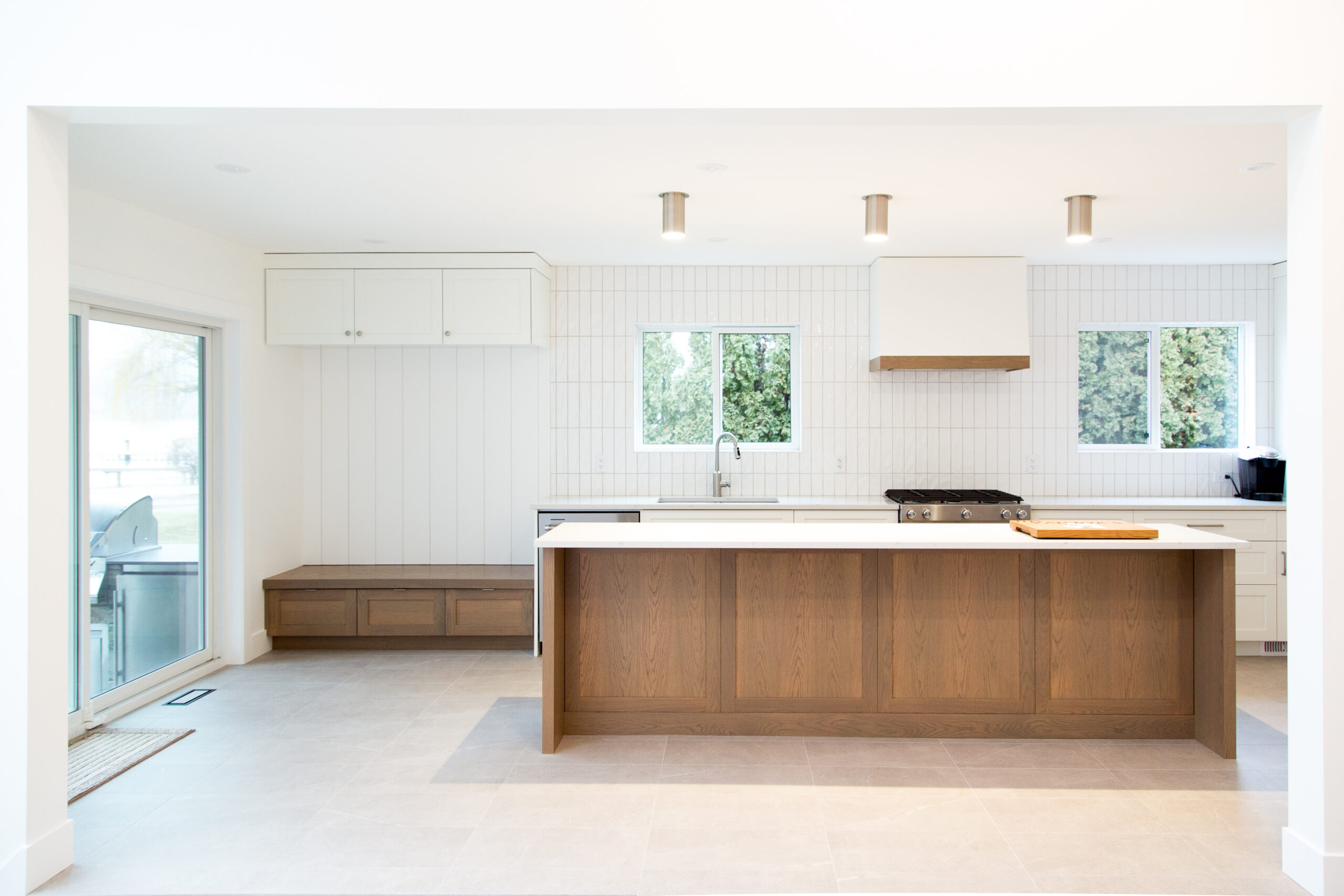
Gail: My first day moving in, before I had even slept there, I was standing in the kitchen looking out the window at the sink, at a view I had not seen in two years. I just stood there and started crying without even realizing it. We were home. That was a real moment for me.
Don and Gail’s Advice for Anyone Facing a Total Loss
Adam: If someone is at the very start of this right now and feels overwhelmed, what would you tell them?
Gail: Be patient. It is a process, it does not happen overnight. Trust your builder, and make sure your lines of communication stay wide open.
Don: You are going to grieve what you lost, and that does not wrap up in a week. You will go through a lot of different emotions as you go through this, so make sure you have somebody you trust to lean on.
Gail: I remember people telling me, but you get to build a brand new house, buy all new furniture and clothes, and it made me want to be sick, because I just wanted to go home. It sounds wonderful on paper, but at the time, it really was not. That said, I did love working with the design and build team. We are just so happy to be home again.
Adam: One last thing I tell every client: your house does not have to burn down in a wildfire to end up in this position. I have a client whose home burned down because of a tenant. So take photos or videos of everything you own every single year, review your policy whenever you renovate or add value, and really go over your coverage. Make sure you are not underinsured and that your outbuildings are covered, too. You two know better than most how valuable that is.
Don: Absolutely.
Rebuilding Starts With the Right Team
Don and Gail’s story is a reminder that a total loss is never just a construction project. It is a long process of paperwork, patience, and grief, and having the right people around you changes how that process feels.
If you are facing a rebuild after a fire, flood, or other total loss, ARG’s team can walk you through your options and what to expect. Learn more about our insurance rebuild experience, or get in touch to talk it through.